


Home Construction Cost in India
- May 27, 2026
- Uncategorized
Home Construction Guide 2026 Financing Your Dream Residence: Complete Guide to Home Construction Cost, Loans & Budget Planning in India Understand home... Read More
 by Sqftz

# Benefits of Installing Solar Panel Rooftop Systems
 As energy costs continue to rise and environmental concerns become more pressing, many homeowners and businesses are turning to solar energy as a sustainable and cost-effective solution. One of the most popular ways to harness solar power is through solar rooftop systems. These systems offer numerous benefits, not only for your wallet but also for the planet. In this article, we’ll explore the advantages of installing solar rooftop systems and how they can transform your energy consumption.
Solar rooftop systems are solar panel installations mounted on the roofs of residential or commercial buildings. These systems capture sunlight and convert it into electricity, which can be used to power your home or business. By using solar panels, you can reduce your dependence on traditional energy sources, lower your energy bills, and decrease your carbon footprint.
One of the most significant advantages of solar rooftop systems is the reduction in electricity bills. By generating your own electricity, you can significantly decrease the amount of energy you need to purchase from your utility company. Over time, the savings on energy costs can be substantial, making solar rooftop systems a wise financial investment.
 Many governments offer financial incentives to encourage the adoption of solar energy. These incentives may include tax credits, rebates, or grants that can offset the initial cost of installing solar panels. By taking advantage of these incentives, you can reduce your upfront investment and improve your return on investment.
Installing a solar rooftop system can also increase the value of your property. Homes and businesses equipped with solar panels are often more attractive to buyers because they offer lower energy costs and a commitment to sustainability. As a result, properties with solar installations may sell faster and at a higher price.
Solar energy is a clean, renewable resource that generates electricity without producing harmful emissions. By switching to solar power, you can significantly reduce your carbon footprint and contribute to a healthier planet. Unlike fossil fuels, solar energy does not produce greenhouse gases or air pollutants, making it an environmentally friendly choice.
By installing a solar rooftop system, you can become less reliant on traditional energy sources and the fluctuating prices associated with them. Solar energy allows you to generate your own electricity, providing a greater sense of energy independence and security.
 by Bernd ???? Dittrich (https://unsplash.com/@hdbernd)
Solar technology has come a long way in recent years, leading to more efficient and cost-effective solar panels. Modern solar panels are designed to capture more sunlight and convert it into electricity with minimal energy loss. This means you can generate more electricity from the same amount of sunlight, maximizing the benefits of your solar rooftop system.
Solar rooftop systems are known for their durability and low maintenance requirements. Once installed, solar panels require little upkeep, making them a hassle-free investment. Regular cleaning and occasional inspections are typically all that’s needed to keep your system running efficiently.
Before installing a solar rooftop system, it’s essential to assess the condition of your roof. A roof that is in poor condition may require repairs or replacement before solar panels can be installed. Ensuring your roof is in good shape will help prevent potential issues and prolong the life of your solar system.
Understanding your energy needs is crucial when considering solar panels. By analyzing your energy consumption patterns, you can determine the size and type of solar system that will best meet your needs. This will ensure that your system provides optimal performance and maximizes your savings.
Solar rooftop systems offer numerous benefits, from financial savings to environmental advantages. By harnessing the power of the sun, you can reduce your energy costs, decrease your carbon footprint, and increase the value of your property. As technology continues to advance, solar energy is becoming more accessible and affordable for homeowners and businesses alike.
Making the switch to solar power is not only a smart financial decision but also a commitment to sustainability and a cleaner environment. With the many incentives and advancements in solar technology, there has never been a better time to consider installing a solar rooftop system.
By investing in solar energy today, you can enjoy the benefits of renewable energy for years to come, all while contributing to a healthier and more sustainable future.
 by Biel Morro (https://unsplash.com/@bielmorro)
A 2 kilowatt solar panel system can generate about 8–10 units per day, saving around ₹2,000–₹2,500 per month on electricity bills. Annually, this adds up to ₹24,000–₹30,000 in savings. With subsidies reducing installation cost to ~₹90,000, you can recover your investment in 3–4 years.
A 150 watt solar panel can power small devices like lights, fans, or a laptop for several hours daily. It can save ₹200–₹400 per month in energy costs depending on usage. While modest, it’s ideal for off-grid or backup use, and pays for itself over 2–3 years.
A 4 kW solar panel system generates about 16–20 units per day, resulting in monthly savings of ₹4,000–₹5,000. That’s over ₹50,000 per year. Over 25 years (typical panel lifespan), you could save ₹10–12 lakhs, making it a highly profitable long-term investment.
Yes, Topcon solar panels are more efficient than traditional panels, converting more sunlight into electricity. This means more energy production from the same area — leading to 5–10% higher savings annually, especially in high-consumption homes or commercial installations.
In Lucknow, where sunlight is ample year-round, installing a 2–3 kW solar panel system can reduce electricity bills by up to ₹2,500–₹4,000 per month. With state and central subsidies, you can break even within 3–5 years and enjoy 20+ years of free electricity.
A 50 watt solar panel can save ₹100–₹150 per month if used for LED lighting or mobile charging in rural/off-grid setups. It’s a great low-cost entry to solar savings, especially when paired with a small battery system.
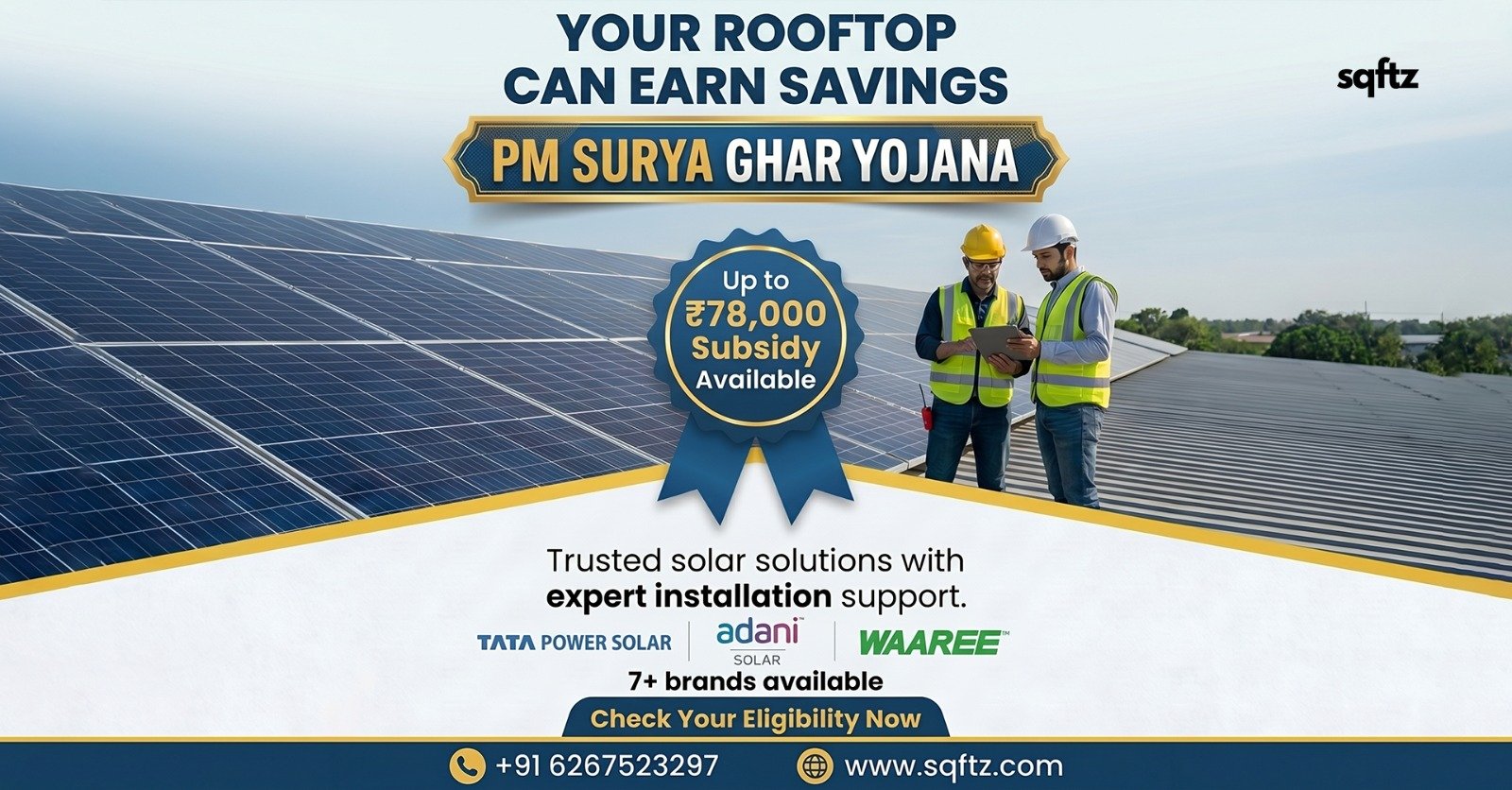
Compare solar installation cost through SQFTZ. Explore solar quotations, verified solar installers, solar panel brands, and rooftop solar installation options from one platform. If you’re searching for the solar installation cost, comparing available options is an important step. SQFTZ provides a platform where users can compare solar quotations, explore solar panel brands, connect with verified…
Electricity bills are increasing every year, making homeowners look for smarter and more sustainable energy solutions. Installing a solar panel for home is one of the best long-term investments you can make. It not only helps reduce monthly electricity bills but also increases your property’s value while contributing to a greener environment. With the growing…
This page is currently undergoing scheduled maintenance. Please check back later for updates.
hi i am here making money you can list your service
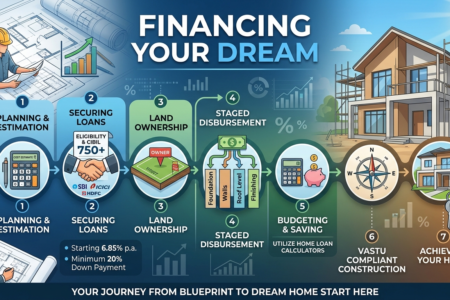
Home Construction Guide 2026 Financing Your Dream Residence: Complete Guide to Home Construction Cost, Loans & Budget Planning in India Understand home... Read More
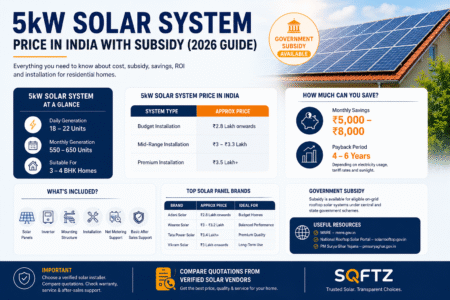
5kW Solar System Price in India With Subsidy (2026) Most homeowners exploring rooftop solar eventually ask one important question: “What is the... Read More

Challenges Facing Construction Companies In India Today and Tomorrow The construction industry is rapidly evolving, but so too are the challenges that... Read More

Join The Discussion